What shapes our recommendations
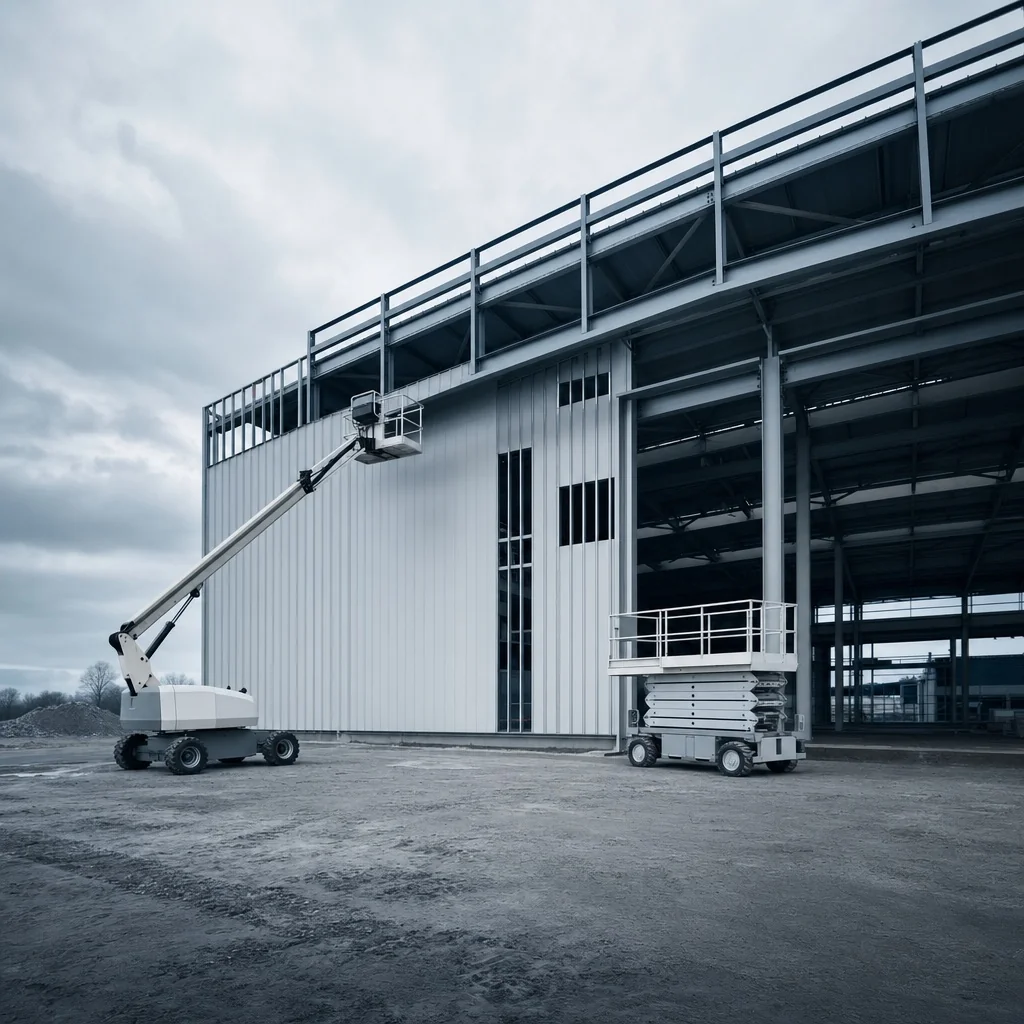
Two forces drive most decisions in Fayetteville, AR: uneven terrain and mixed facility types. Work ranges from tight interior maintenance in academic halls to exterior elevation on rocky grades and soft soils after rain. That mix pushes a clear split between slab‑style electric units for finished floors and rough‑terrain platforms with leveling features for sloped sites.
Key considerations we reference across pages: - Task height and reach: Can the machine sit below the task, or must it bridge over an obstacle? - Surface and slope: Finished slab, pavers, compacted gravel, or native ground that may soften in storms. - Footprint and access: Door widths, elevator limits, mezzanines, and congested industrial aisles. - Duty cycle and power: Quiet, low‑emission operation for interiors versus high‑traction demands outdoors.
How local conditions change the short list
Hilly neighborhoods and variable bedrock create frequent cross‑slope scenarios. That steers outdoor picks toward rough‑terrain scissor lifts or booms with wider stance and aggressive tires. In contrast, interior work around older structures often caps overall stowed height and weight, pushing choices toward vertical mast lifts or compact electric scissor lifts.
What you can expect from this site
- Clear comparisons by job geometry and surface conditions.
- Plain measurements that narrow platform class before rental discussions.
- Local context woven into each page, from industrial sites to residential infill work.
For broader equipment planning across a site, see aerial lift options, boom lifts, and rough‑terrain scissor lifts. For quick questions, visit Contact.