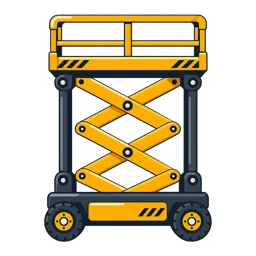
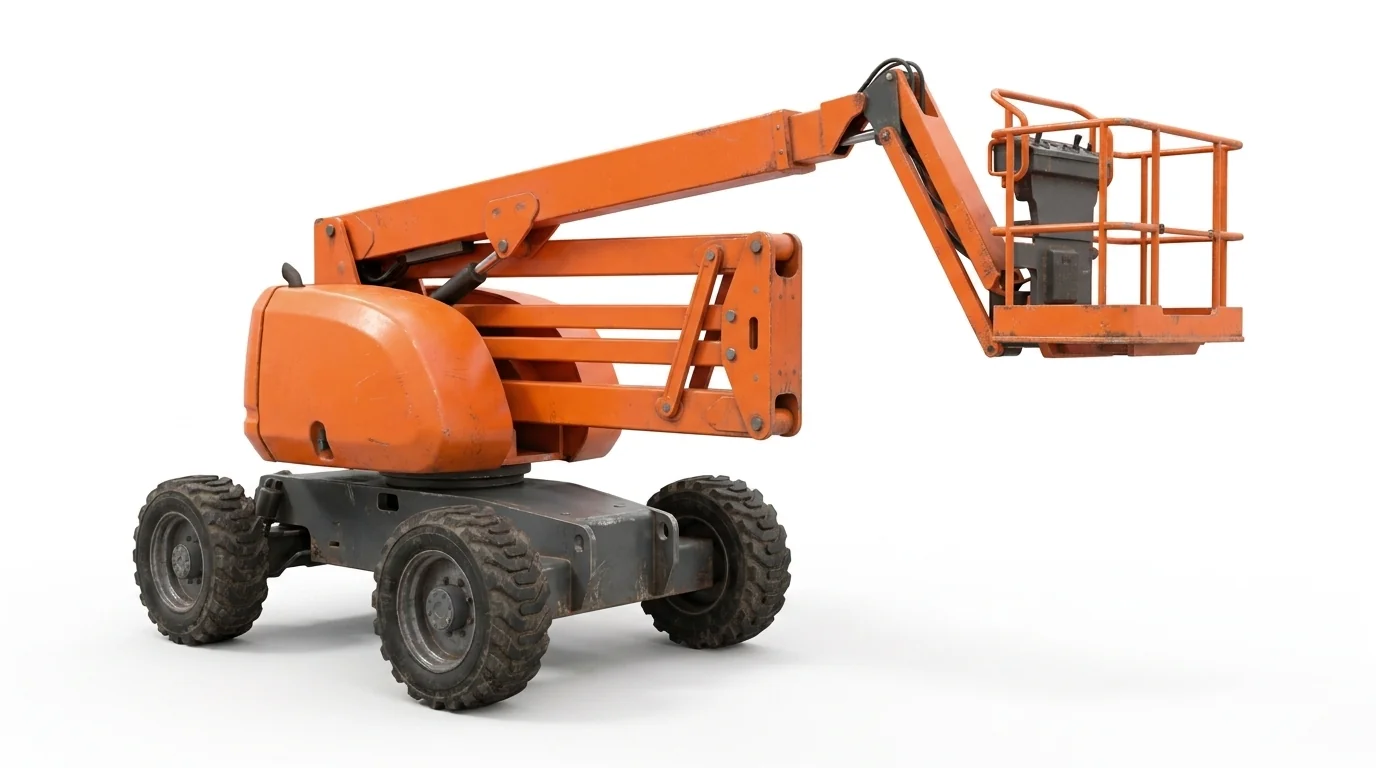
Scissor vs. boom in local conditions
- Scissor lifts: best for straight-up work from firm pads. Indoors, choose electric slab units; outdoors on variable ground, see /rough-terrain-scissor-lift-rental/.
- Articulating booms: navigate up‑and‑over around trees, canopies, or structural projections—useful on renovated façades and campus-style sites. Start at /boom-lift-rental/.
- Telescopic booms: longer horizontal reach for clear but distant targets, common in industrial yards and new construction with open setbacks.
Access patterns around Fayetteville
Hilly approaches can limit transport and setup angles. Historic interiors may cap machine width and weight before height considerations. Industrial sites may require turning in narrow lanes between racks or equipment, which affects chassis length and tail swing more than platform height.
Weather and surface notes
The regional climate brings heat and heavy rain that can soften topsoil and create slick surfaces. Electric units are common indoors for air quality; outdoor work may wait for firmer ground or require rough‑terrain features. Always plan around ground bearing capacity and the selected unit’s instructions.
Related categories
- Indoor vertical access: /electric-scissor-lift-rental/
- Outdoor slab and site work: /rough-terrain-scissor-lift-rental/
- Boom options for obstacles or reach: /boom-lift-rental/
Actual site conditions and procedures govern elevated access decisions.
Keep the comparison specific
A useful equipment discussion starts with the work height, the practical machine position, the route into the area, the floor or ground along that route, and the people, tools, or material involved. Those details clarify whether vertical access, outreach, or material placement is the real constraint.