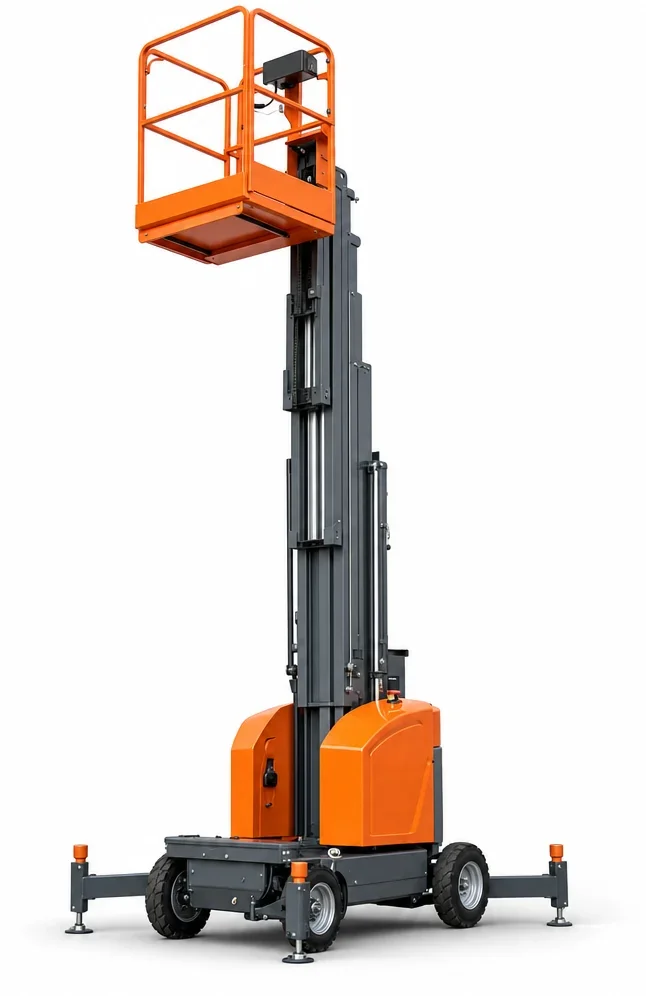
When a vertical mast makes sense
- One-person tasks with tools where a small footprint reduces setup space
- Tight approaches through doors, gates, or between fixtures
- Frequent repositioning around sensitive finishes where low machine weight matters
Local factors that affect selection
Hilly terrain and variable surfaces around courtyards and entries can complicate approaches even for indoor work. Plan for: - Doorway, corridor, and gate widths along the entire route - Floor loading where older slabs or mezzanines may have lower ratings - Short exterior transitions that may be slick or uneven after storms Actual conditions, the selected unit’s instructions, and site procedures govern elevated work.
Platform height, outreach, and deck style
Vertical masts deliver straight-up access with minimal footprint. Some models include small deck extensions to reach over low obstructions like handrails. If the task requires broader lateral reach or clearance over parapets, a compact /articulating-boom-lift-rental/ may be more suitable.
Power, tires, and markings
- Interior maintenance: electric power with non-marking tires preserves finished floors
- Mixed routes: confirm tire type and ground clearance for brief outdoor sections
- Noise and emissions limits in dense areas favor electric units
When another lift is better
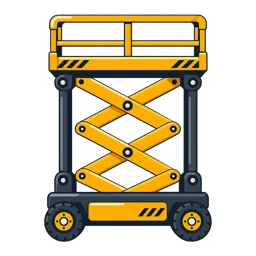
- Multiple workers or larger materials: consider /electric-scissor-lift-rental/ under /aerial-lift-rental/
- Up-and-over geometry outside or around obstacles: /articulating-boom-lift-rental/
- Long horizontal reach on open exteriors: /telescopic-boom-lift-rental/
Fayetteville use cases
- Ceiling and lighting work in tight interior corridors
- Signage and façade touch-ups through narrow courtyard gates
- MEP maintenance where floor loading and approach width are constrained
For more category comparisons, see /aerial-lift-rental/ and /products/, or call (479) 341-5392 with route measurements, floor details, and platform height needs.