Start with surface and route
- Smooth interior slab only: cushion-tire or electric warehouse units suit tight aisles
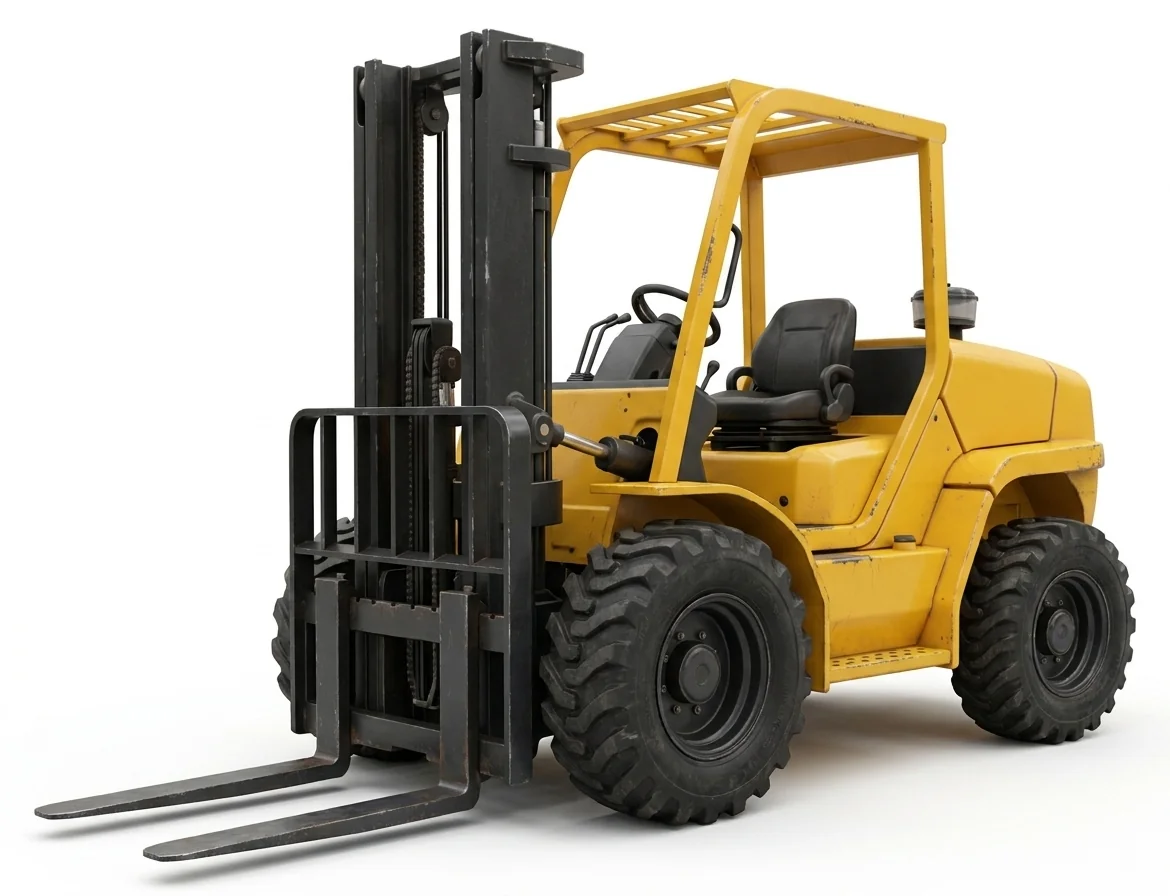
- Mixed slab and outdoor pads: pneumatic-tire or rough-terrain models handle curbs, gravel, and drainage ruts
- Route includes slopes between bays: confirm grade handling and braking characteristics for the heaviest expected load
Aisles, doors, and storage patterns
Measure critical points: - Aisle width at the narrowest turn - Door and dock openings including height with dock levelers raised - Rack beam height to confirm capacity at top storage levels In older buildings, irregular aisles and tight dock aprons are common. Plan the turning radius and mast collapse height accordingly.
Capacity where it matters
Published lift ratings apply at specific load centers. Real pallets, equipment crates, and building materials often shift the center forward. In Fayetteville’s industrial sites, frequent handling of heavy pallets may justify a higher base capacity, while campus or retail handling might prioritize compact electrics and low emissions.
Weather and outdoor considerations
The regional climate can leave yard surfaces soft or slick. Pneumatic tires and higher ground clearance improve performance outdoors. For mixed indoor–outdoor routes on finished pavement, non-marking tires may be required along interior segments.
When a different machine is better
- Elevating people to work heights: /aerial-lift-rental/
- Reaching over obstacles to upper floors: /telehandler-rental/
- Exterior façade access: /articulating-boom-lift-rental/ or /telescopic-boom-lift-rental/
For a quick comparison of aerial options, see /products/ or call (479) 341-5392 with load, aisle, and route details.