Define the placement: height, offset, and approach
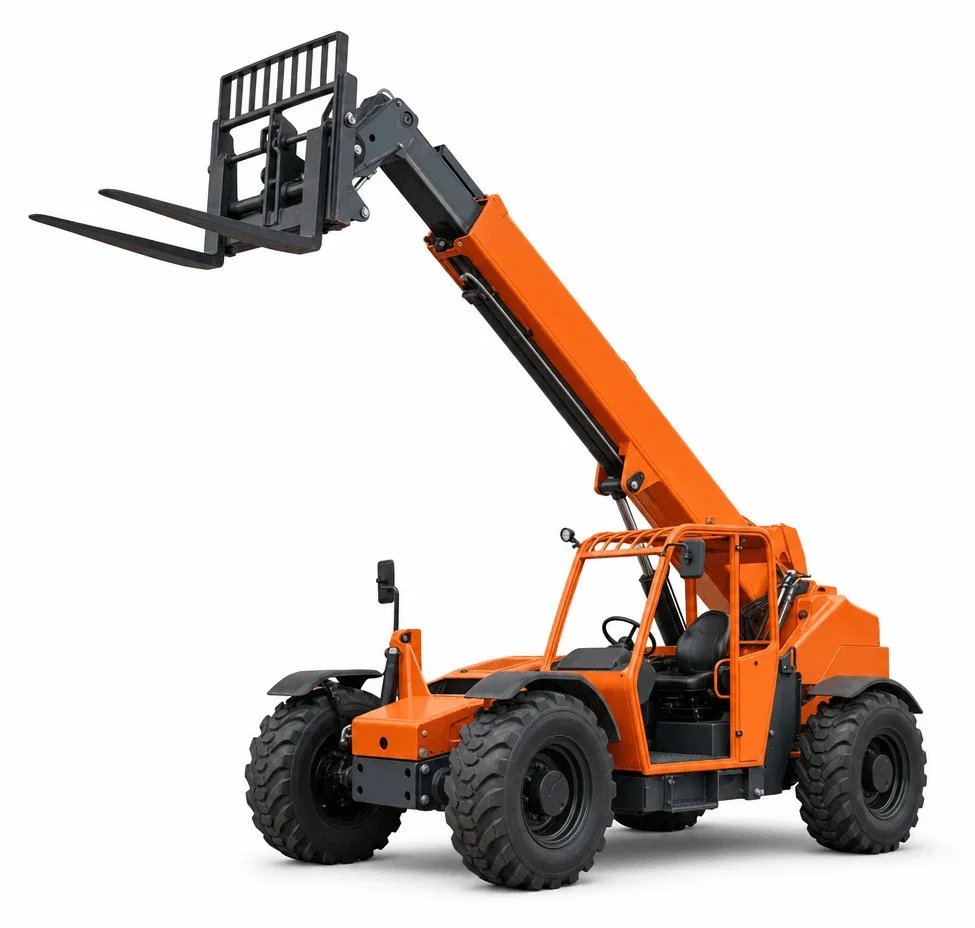
Start with the load’s delivery point: - Maximum height and forward reach to place onto decks, balconies, or platforms - Side-to-side placement needs when staging space is limited - Clearance for forks and carriage in front of the landing zone
Terrain and ground-bearing matter locally
Hilly topography and variable ground after storms can reduce practical capacity. Consider: - Rough-terrain drivetrains and wider tires for uneven grades and soft patches - Outriggers or stabilizers on models designed for them to support placement near edges - Chassis size versus site constraints like narrow drives or steep entries Actual conditions, the selected unit’s instructions, and site procedures govern elevated work and material handling.
Capacity and attachment planning
Capacity charts show reduced rating as the boom extends. On Fayetteville’s sloped sites, usable capacity at the required reach often drives the model choice more than base lift rating. If routing through finished areas, confirm overall width and turning radius. Industrial sites may demand higher base capacities for repetitive loading.
When another machine fits better
- Pure personnel access with little material movement: /articulating-boom-lift-rental/ or /telescopic-boom-lift-rental/
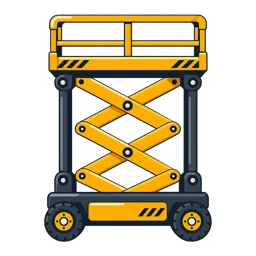
- Vertical work platforms on slab interiors: /electric-scissor-lift-rental/
- Simple ground-level moves in warehouses: /forklift-rental/
Fayetteville use cases
- Placing materials to hillside homes where trucks cannot get close
- Feeding pallets to elevated work zones across compacted gravel pads
- Staging HVAC or light steel to roofs with limited street-side access
For site-specific comparisons across aerial categories, see /aerial-lift-rental/ and /products/, or call (479) 341-5392 with reach and ground details.