Choose the footprint first
Find a pad that stays firm after heavy rain. Compacted base or paved surfaces reduce settling on the Springfield Plateau’s mix of clay and rock. Measure the slope across the container length. A small crossfall can twist the frame and bind doors, especially on longer boxes.
- Confirm minimum width and length with buffer for door swing
- Note overhead obstructions along the delivery path
- Check that the set location won’t trap stormwater at the doors
Access patterns around campus and industrial sites
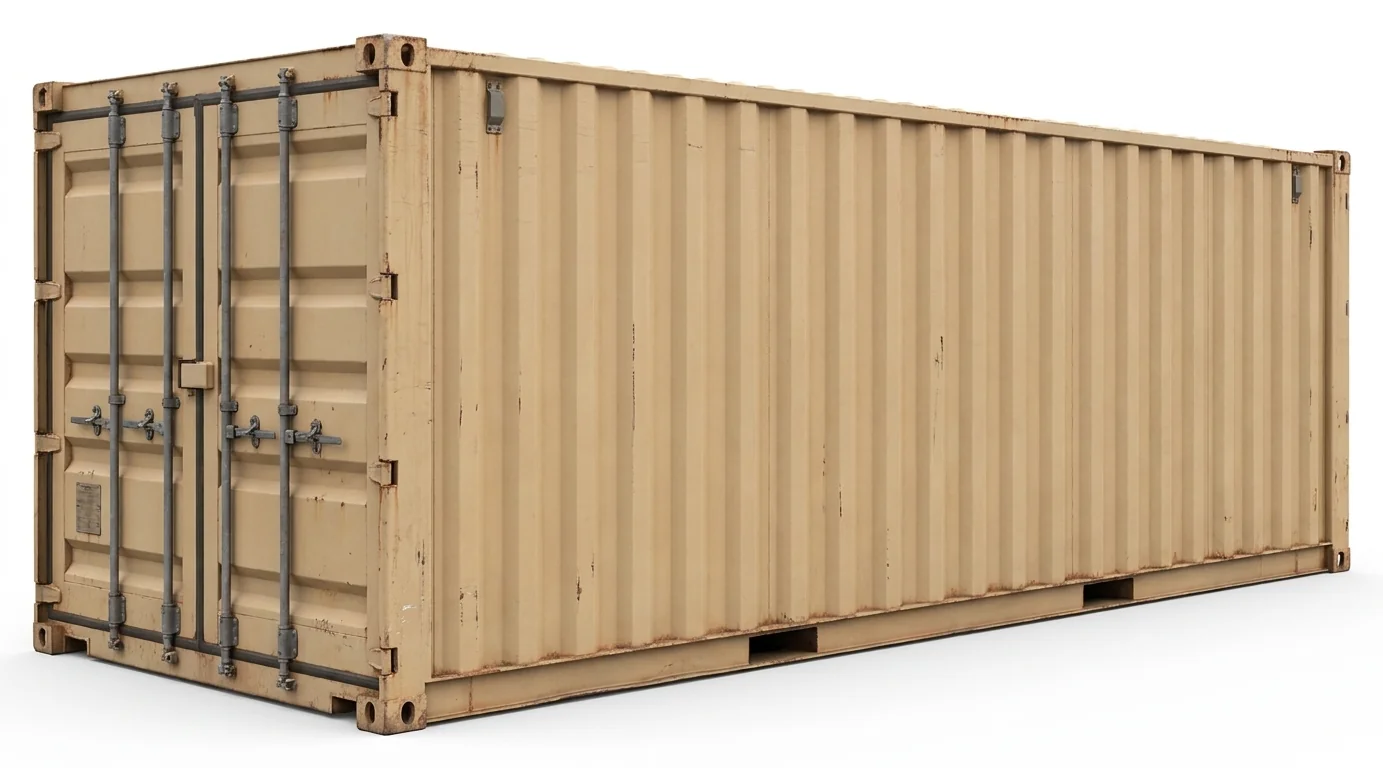
Where projects span multiple buildings or loading aprons, side-door or double-door containers can reduce backtracking with pallet jacks. If a telehandler or forklift will stage materials, match container door style and internal height to your fork carriage and typical pallet height. See /telehandler-rental/ and /forklift-rental/ to align lift reach and aisle clearance.
Turning and delivery considerations on steep approaches
Many Fayetteville driveways and job entries are short and sloped. A tight approach may limit longer containers. Shorter units can fit where tractor-trailers cannot straighten, reducing risk of scraping rock edges or curbs. Measure turning radius at the pinch point, and note the maximum grade at curb transitions.
Moisture and ventilation in a humid climate
Warm, humid stretches create condensation on stored tools and finishes. Containers with vent options, higher door seals, and intact gaskets help manage moisture. Pallet spacing and racking height affect airflow, especially when the box sits against a retaining wall or hillside.
Coordinating with elevated work
If the container doubles as staging for façade or roof tasks, place it where a lift can load directly without crossing a steep cross-slope. For vertical access, see /electric-scissor-lift-rental/ for slab interiors and /rough-terrain-scissor-lift-rental/ for uneven exterior grades. Actual conditions, the selected unit’s instructions, and site procedures govern all elevated or exterior work.