Terrain and soil patterns that matter locally
- Sloped approaches along the Ozark foothills can challenge traction and leveling.
- Limestone and fill mix can create hard spots next to soft topsoil after rain.
- Access roads may be rutted or stepped, demanding ground clearance and robust frames.
These conditions influence platform size and weight. Larger decks reduce moves on long exterior elevations, but only if the pad supports the load. On new multifamily sites, subbase compaction varies; a lighter unit may travel better between buildings even if it requires more repositioning.
Picking by work geometry
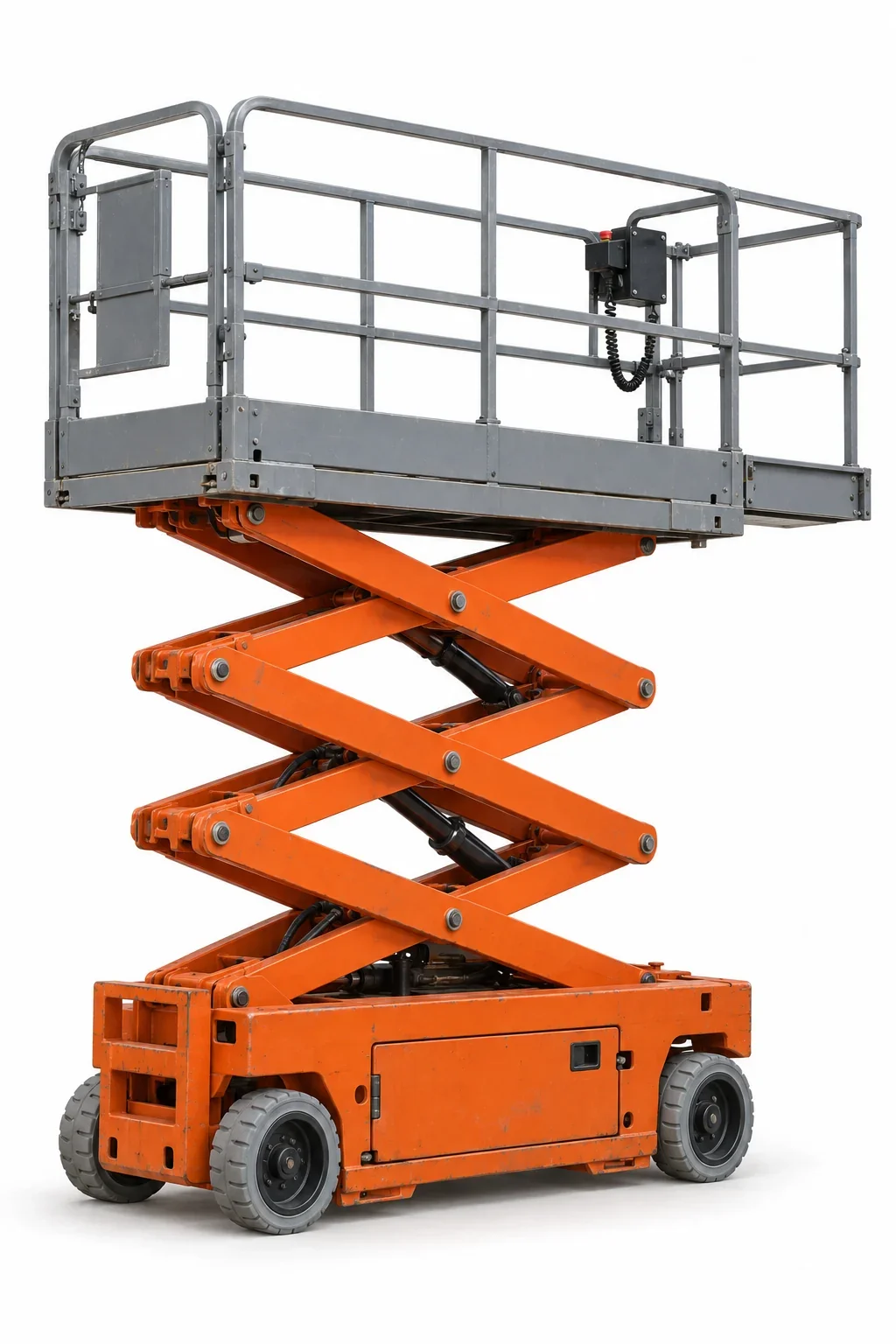
- Straight-up façade work with clear pad: rough‑terrain scissor with deck extension.
- Work above porches, retaining walls, or trees: if the chassis cannot sit directly below the task, consider a boom at /boom-lift-rental/.
- Mixed warehouse yard and dock work: ensure turning radius clears tight corners; shorter wheelbases help in crowded lots.
Weather and scheduling effects
Heavy summer rain can leave morning ground soft and afternoons workable. Tire design and stabilization features influence how soon a site is ready after a storm. For indoor segments of a project, switch to /electric-scissor-lift-rental/ to protect finished floors.
Actual ground conditions, the unit’s instructions, and site procedures govern exterior work planning.