Check the approach: is the line of sight open?
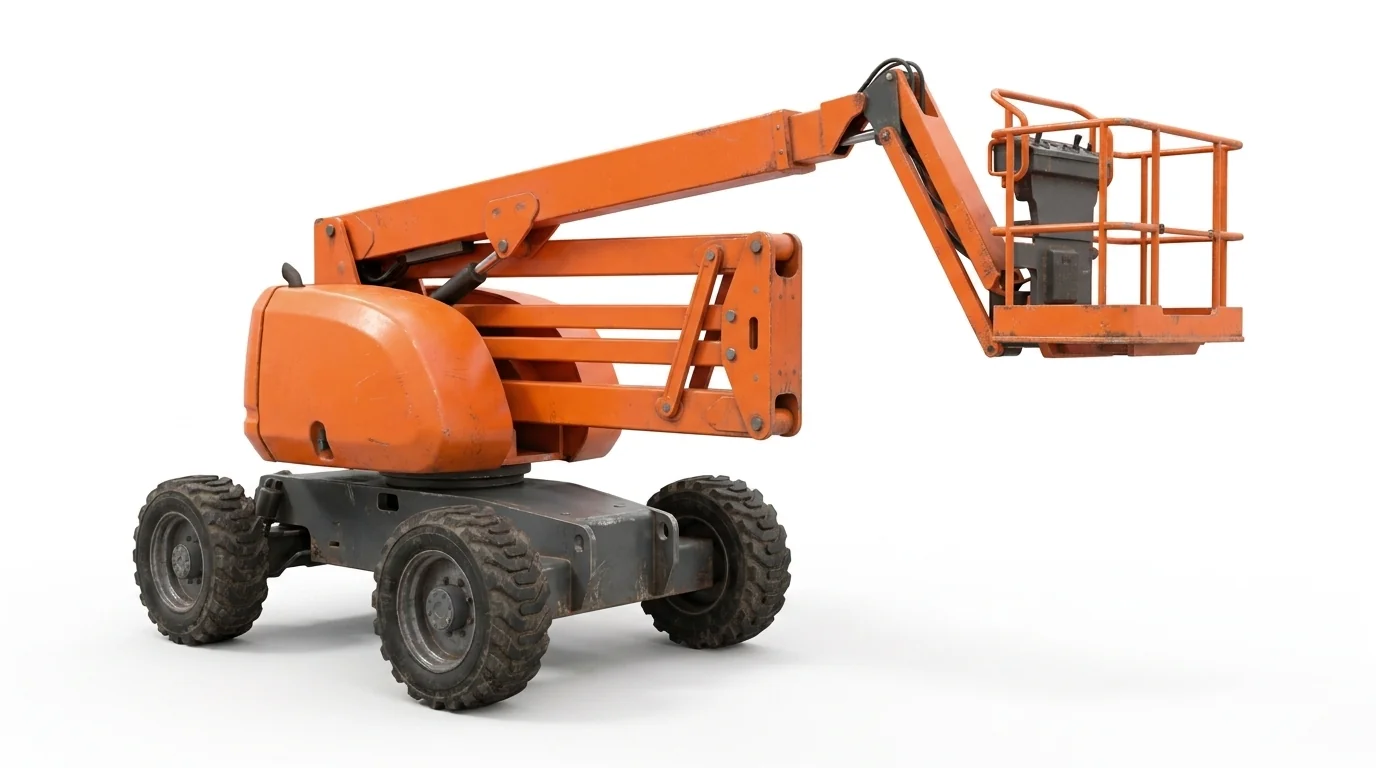
A telescopic boom needs a clean path to extend. Confirm: - No overhanging canopies or tree limbs blocking extension - Adequate setback distance to reach the target at the required angle - Sufficient swing room for tail clearance on turns
Terrain and weather considerations in Fayetteville
Hillside grades and the regional climate can introduce soft ground after heavy rain. For exterior positioning: - Rough-terrain straight booms with higher ground clearance help reach stable pads on sloped sites - Outriggers or axle systems may be relevant where leveling limits apply - Plan for changing ground conditions across limestone-influenced soils that can shift from firm to slick Actual conditions, the selected unit’s instructions, and site procedures govern elevated work.
Power and tire selection by work zone
- Industrial sites with long façade runs: diesel or hybrid models provide sustained duty and horizontal reach
- Multifamily or commercial exteriors near finished surfaces: consider non-marking tires for pavement
- Campus-area maintenance with mixed routing: evaluate machine width and turning radius to navigate service lanes
When a different aerial platform is better
- Obstructions require up-and-over geometry: see /articulating-boom-lift-rental/
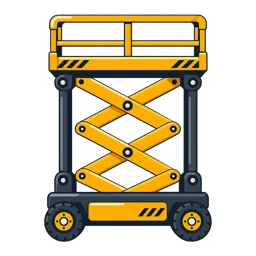
- Mostly vertical indoor access on slab: see /electric-scissor-lift-rental/ under /aerial-lift-rental/
- Material placement to floors or roofs: see /telehandler-rental/
Fayetteville use cases
- Long-reach façade work across wide setbacks at commercial or logistics buildings
- Pole, sign, or lighting work where clear horizontal reach from a stable pad is available
- Steel erection and exterior punch lists on new construction sites across growing districts
For broader comparisons, visit /boom-lift-rental/ and /aerial-lift-rental/ or call (479) 341-5392 with site geometry and surface details.