Articulating vs. telescopic for local sites
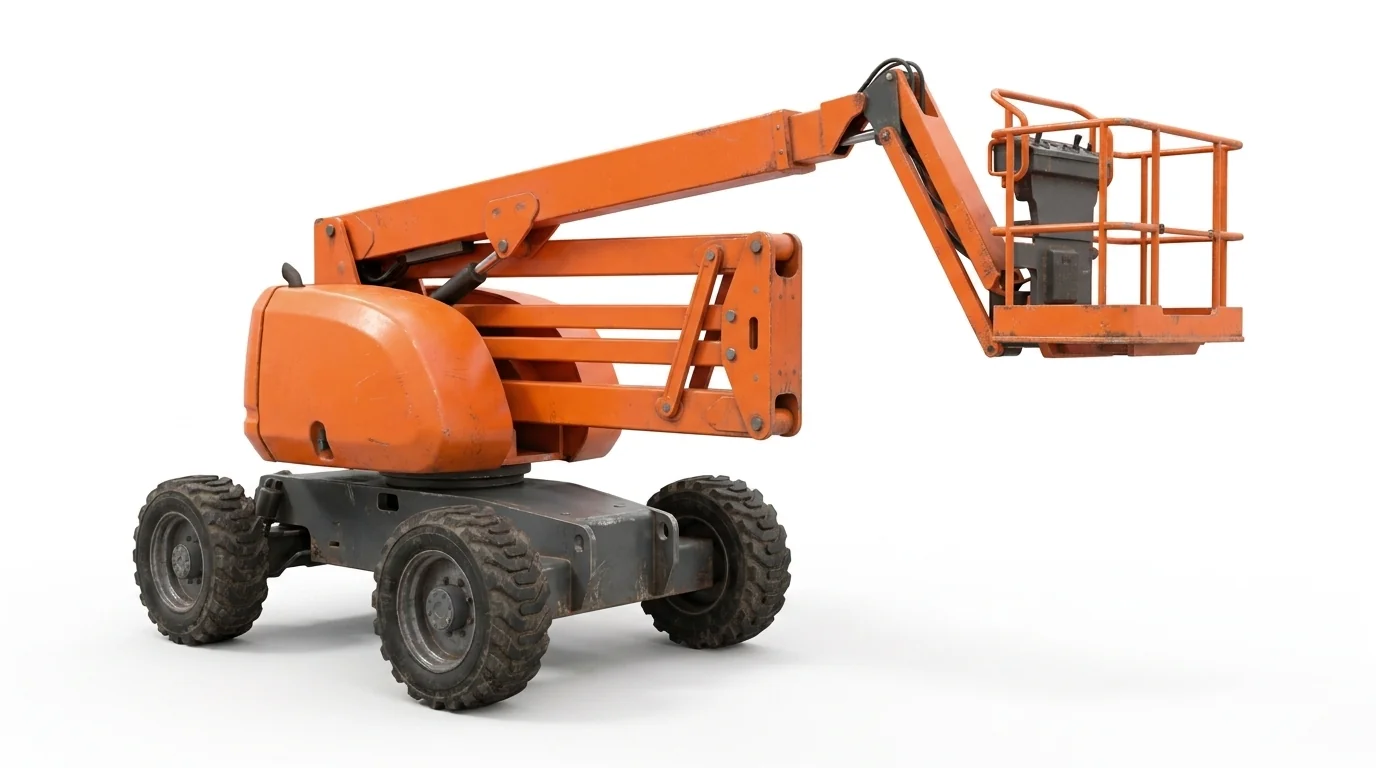
- Articulating booms: multiple joints step over porches, parapets, and canopy lines—common in renovations and tight urban blocks. Shorter tails and tighter turns help on sloped approaches and courtyard entries.
- Telescopic booms: longer straight reach for targets set back from the pad—typical in industrial zones and new construction with clear setbacks. Stability on variable grade and transport width across site roads are key checks.
How terrain and weather factor in
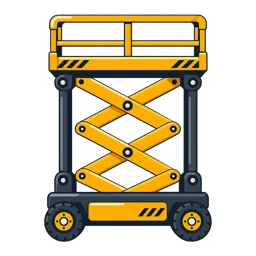
Hilly ground around Fayetteville can limit where a truck or trailer can stage a boom, and summer rain can soften topsoil over rock. Ground clearance, tire design, and allowable setup angles affect which unit can travel the route and stabilize near the work. For purely vertical tasks on firm pads, consider scissor options at /aerial-lift-rental/ or /rough-terrain-scissor-lift-rental/.
Planning for tight approaches
Historic and infill properties may force booms through narrow gates or between retaining walls. In these cases: - Stowed width and tail swing often matter more than maximum platform height. - Platform articulation helps reach over obstacles without repositioning the chassis on sloped or stepped pads.
When a different category fits
If the pad sits directly below the task indoors, an electric scissor at /electric-scissor-lift-rental/ may be simpler. If you only need straight-up work with a large platform outdoors and the pad is suitable, a rough‑terrain scissor can cover the elevation.
Actual site conditions, the chosen unit’s instructions, and project procedures govern all elevated work.